
The traditional classroom still looks the same
In many classrooms, the expectation is clear: sit still, listen carefully, and complete your work.
But if you’ve ever taught a class that struggles to stay focused for long, you might have wondered whether this approach always works.
What we know about movement and learning
There’s a growing body of research showing that movement plays an important role in how children learn.
It helps improve concentration, supports memory, and keeps pupils mentally engaged. In other words, movement isn’t a distraction from learning—it can actually support it.
Why sitting still can be a challenge
For many pupils, especially younger ones, long periods of sitting can lead to restlessness and drifting attention.
This can sometimes look like low-level disruption. But often, it’s simply a sign that pupils need a more active way to engage with the lesson.
What active learning looks like
Active learning doesn’t mean chaos or constant movement.
It might be as simple as:
- Turning a maths task into a movement-based activity
- Asking pupils to move between stations
- Using short, active starters to begin a lesson
These small changes can make a big difference.
What difference does it make?
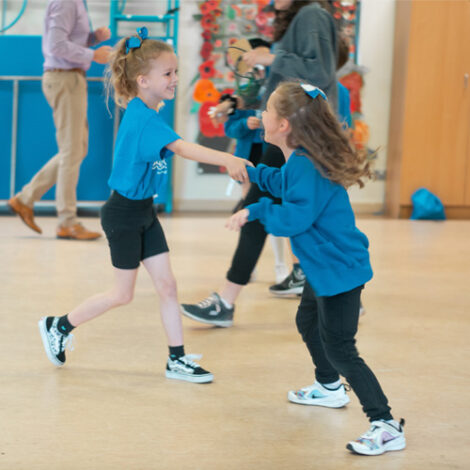
Teachers who introduce active elements often notice that pupils are more engaged and willing to participate.
When pupils are involved in the learning, rather than just observing it, they are more likely to understand and remember it.
A simple way to try it
If you’re curious, the easiest way to start is by trying one or two activities and seeing how your class responds.
The Teach Active free learning pack includes ready-to-use Maths and English activities that you can use straight away, without any extra planning.